School Name: Luxmanor Elementary School
School District: Montgomery County Public Schools
Grades Served: K-5
Years of Participation: 2019-2020; 2020-2021; 2021-2022
ADL sat down with leaders at Luxmanor Elementary School to learn about how they are implementing No Place for Hate®.
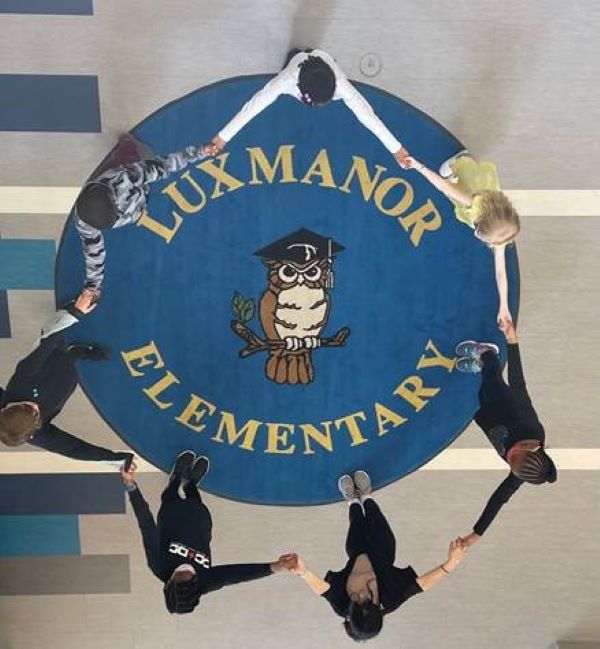
1.) Why did your school decide to participate in No Place for Hate?
Luxmanor ES has participated in No Place for Hate in the past and wanted to continue the tradition. Luxmanor ES feels that No Place for Hate helps students and staff increase their knowledge about anti-hate topics and create a culture of respect and inclusion. This is important for Luxmanor ES because it aligns with our School Improvement Plan. It allows us to deliver equitable and culturally responsive instructional strategies that increase overall school climate and culture. The No place for Hate program components (committee, pledge, activities) help outline the services provided to the school. The committee members comprised at the school level (students, parents, and staff) are there for support and aide with the implementation of the program. The pledge is a great way to get buy in and simultaneously offers a way for students and staff to hold themselves accountable. The ADL resources that are available for immediate use with the program also help take the guess work out of creating activities that are impactful and evidenced based.
2.) How has the decision to participate in No Place for Hate impacted your school environment?
Specifically, for Luxmanor ES, students and staff benefitted from learning about diversity and inclusion through classroom lessons. Classroom lessons focused on the power to make change. One in particular was framed around Change Sings: A Children’s Anthem, a lyrical picture book debut from author and presidential inaugural poet Amanda Gorman and illustrator Loren Long. Students worked through current challenges and barriers they face. They also made a connection from their classroom climate to the larger community. This helped increase the feeling of inclusivity in the overall school environment. Classroom lessons also focused on bullying and the negative ramifications of being the target of hate. Students worked through empathy and processing feelings/emotions in a healthy way. This helped increase awareness, knowledge and overall morality among students.
3.) How do you engage students in leadership roles?
5th grade Luxmanor ES students were chosen to be on the school-based committee through their role on the Student Government Association. Committee students were responsible for spreading the word about signing the No Place for Hate pledge and about upcoming No place for Hate lessons. Committee students attended meetings, and offered their insight and point of view. They highlighted their participation by being the first few to sign the pledge. They also served as role models by upholding the pledge and setting an example for other students.
4.) What advice would you give to other schools interested in pursuing No Place for Hate?
There is a lot of excitement and hope when implementing a new program, but it is also natural to have feelings of uncertainly or to feel overwhelmed. The best thing about No Place for Hate is that is can be tailored to the needs of your school to help make your goals attainable. Keep track of dates and timelines as a best practice to stay organized. The ADL resources can be a great way to find activities to implement. Personally, I found that the ADL resources can also be a great way to get ideas for creating your own activities. Use what works for your school and keep it simple. The school-based committee is another great resource to use for advice and suggestions. No Place for Hate really is a team effort and it helps give a sense of reassurance to know you don’t have to go it alone. Play to your committee members strengths and delegate tasks. It is also helpful to take advantage of opportunities to connect with the coaches and program directors. Their support and feedback help with coordinating among the school-based committee, navigating the activities, and any other questions/concerns that arise. Ask for help when you need it!